 Tiphareth Studio
Tiphareth Studio · Davi Guides
Product Builder.
End to end.
Product thinking, design, engineering, and the economics that let a thing run. Seven products with public landings, each carried alone from the first question to daily use. Inside a team, that range becomes one job: owning the AI layer, fully, so it holds in production.
See the products How I work inside a team
The products
Each one has its own site. Go straight there.
No summaries in between. The landing is the argument; the product behind it is the evidence.
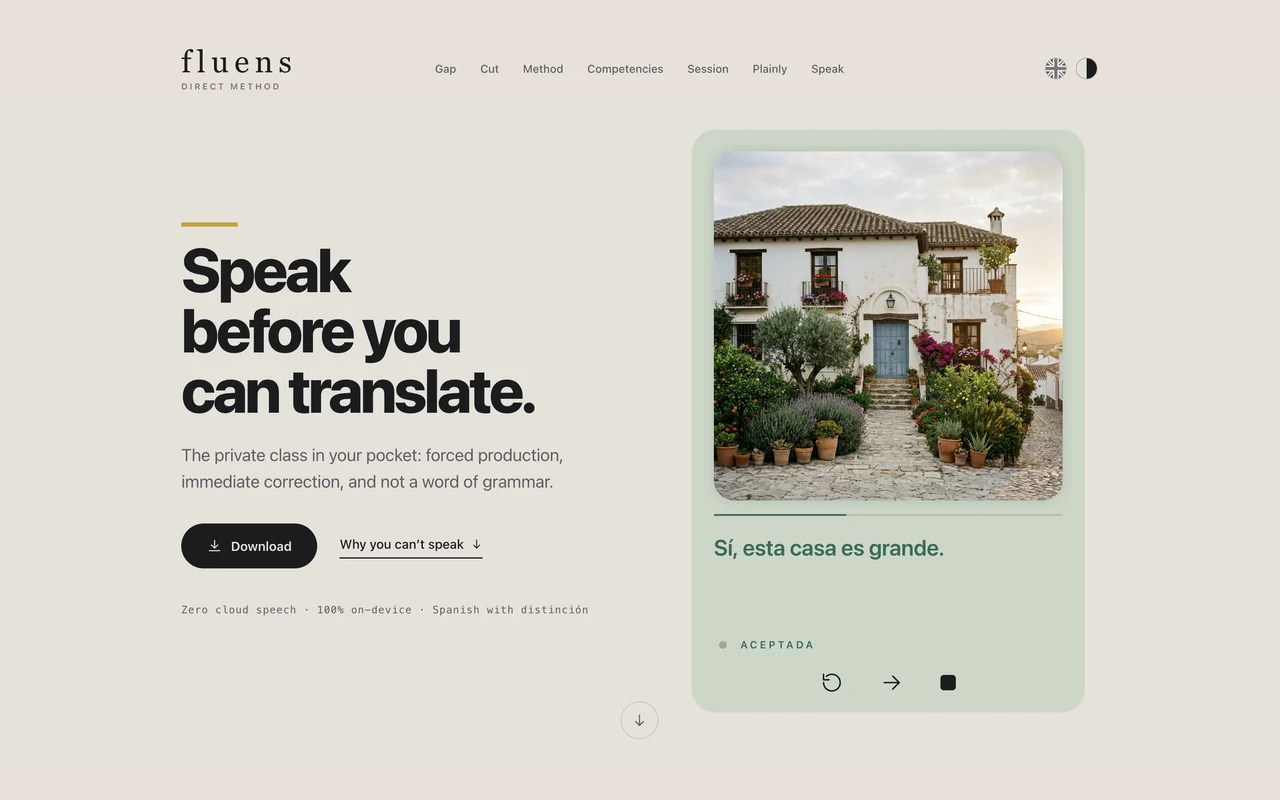
Fluens
Speak before you can translate. The private class in your pocket.
A 140-year-old method delivered without the teacher: forced production, a cut on the wrong word in under 400 ms, everything on the device. Zero cloud, zero grammar.
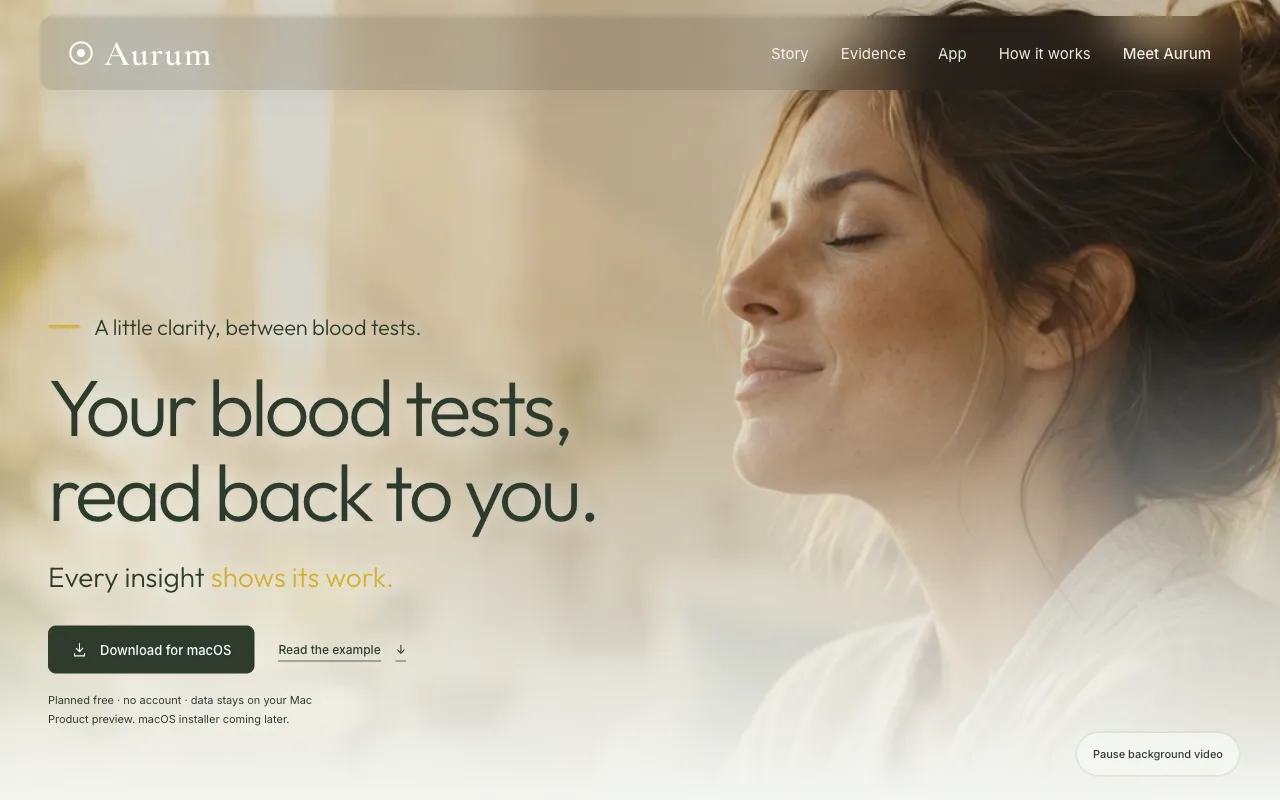
Aurum
Your blood tests, read back to you. Every insight shows its work.
A product for people, not engineers: the landing sells calm, the engine underneath is a rule set that can be audited line by line.
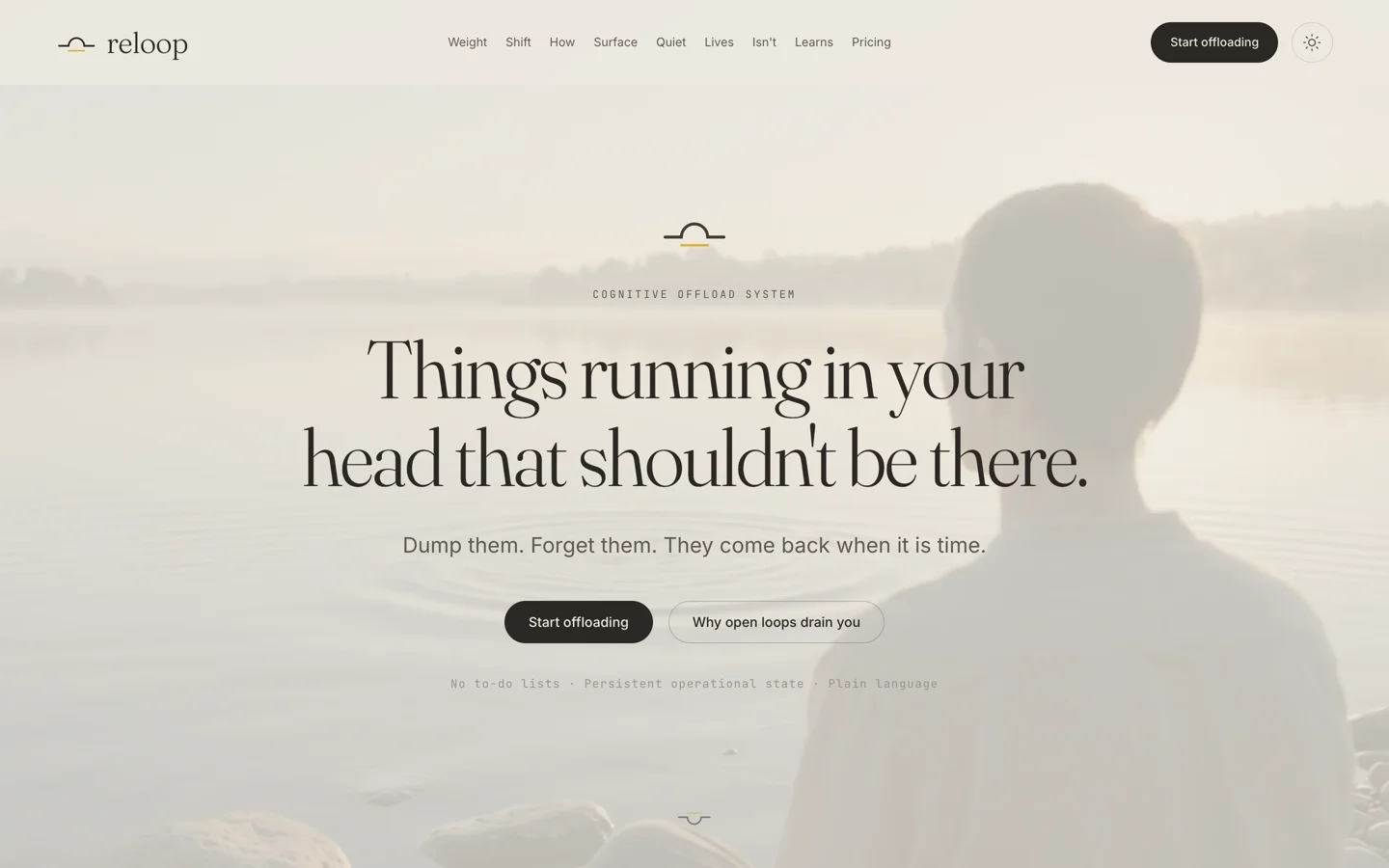
Reloop
Things running in your head that shouldn't be there. Dump them. They come back when it's time.
The competitor is not another app, it is the open loop itself. A system that holds, matures, and returns cognitive load at the right moment.
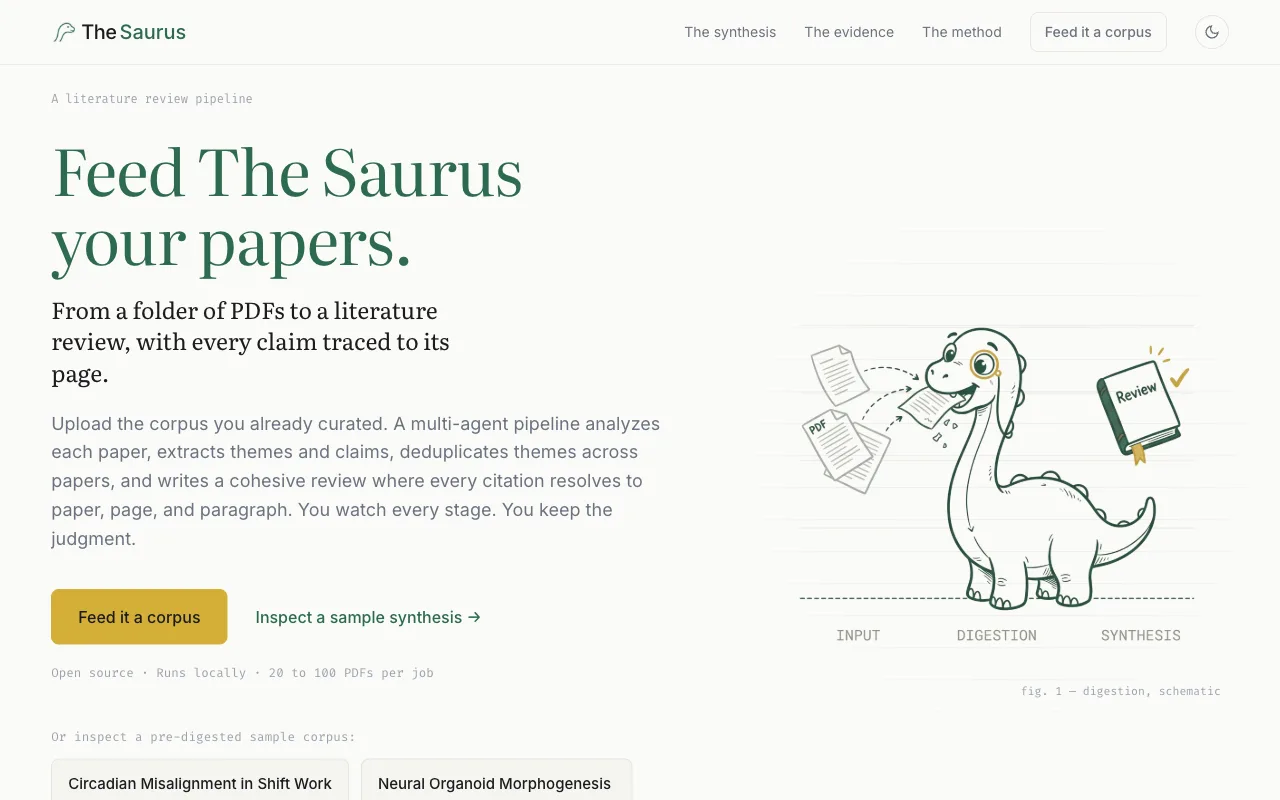
The Saurus
Feed The Saurus your papers. From a folder of PDFs to a literature review, every claim traced to its page.
Built for an audience that has watched AI invent a citation. Provenance is the product, not a footnote.
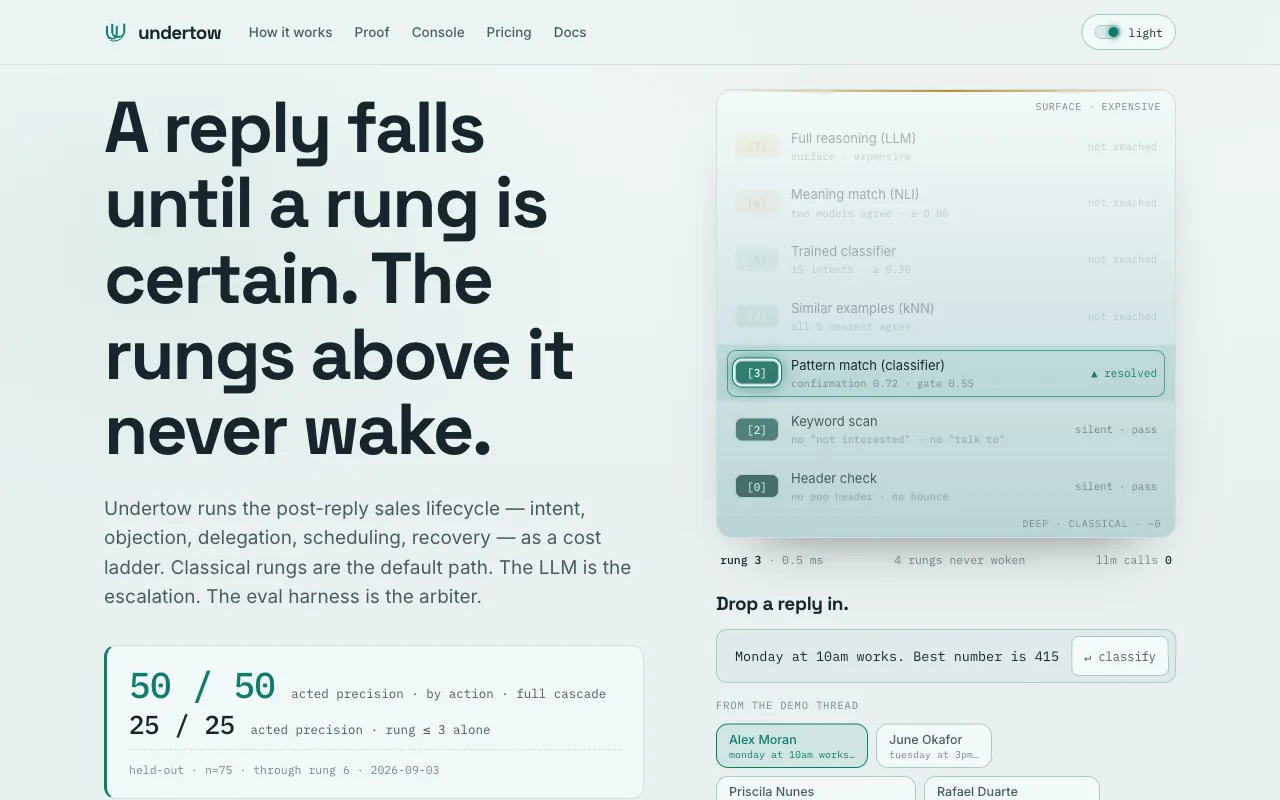
Undertow
A reply falls until a rung is certain. The rungs above it never wake.
Unit economics as architecture: seven rungs from regex to LLM, so the cost closes against competitors priced at tens of dollars a month.
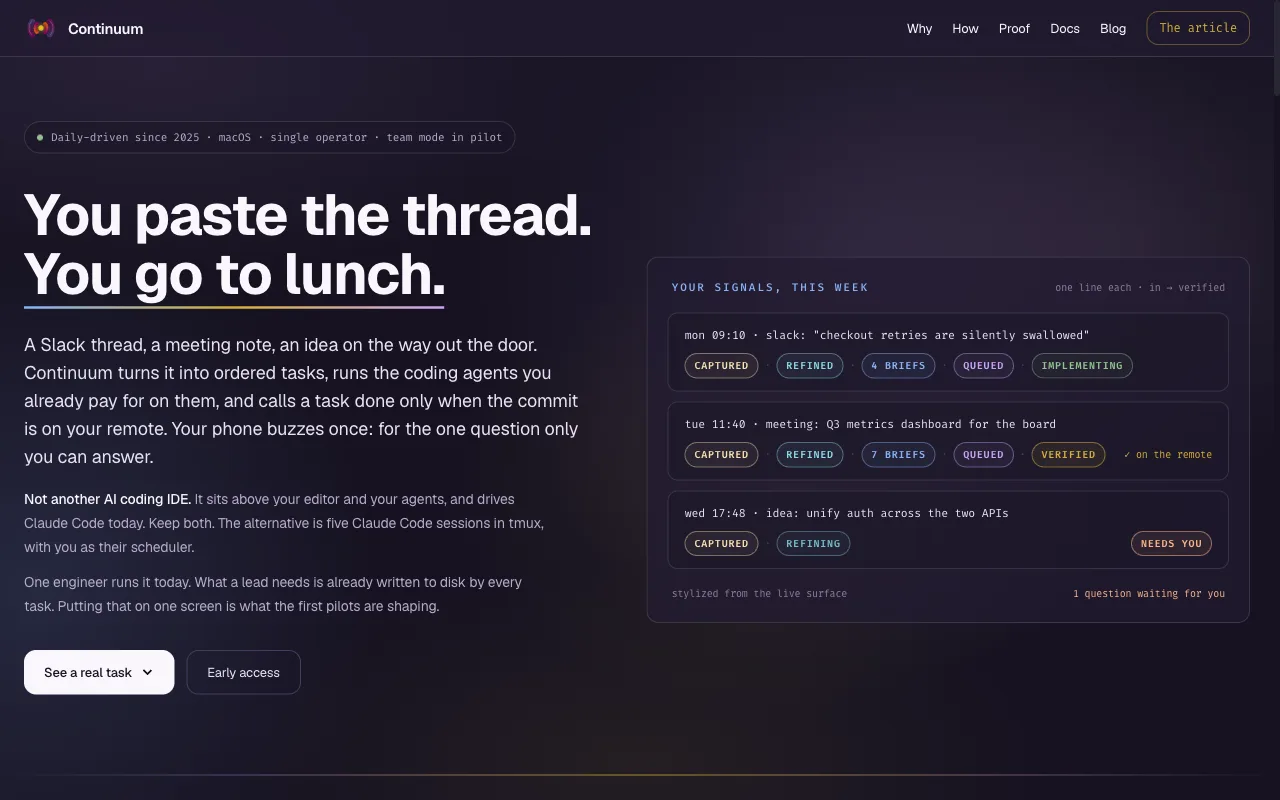
Continuum
You paste the thread. You go to lunch.
Fleets of agents on real work, with what persists between them being the decision, not the conversation. A product, not a demo.
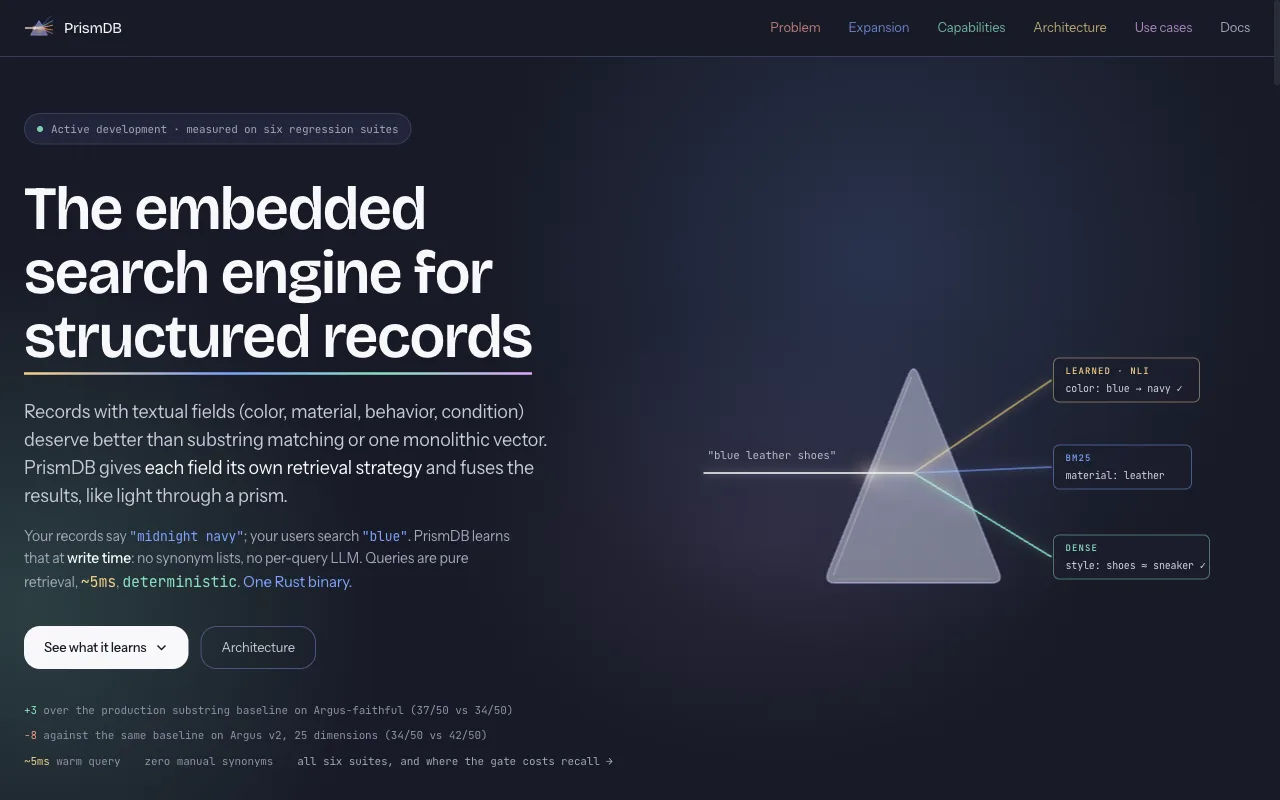
PrismDB
Embedded search engine for structured records.
Applied research with a production standard: a learned-routing experiment shipped OFF on evidence, and the cost-ladder doctrine was born here.
What they prove
Four things a resume cannot show
Product
Each product starts from a question a real person has, and a written position on who it is for and who it is not for. Aurum is for someone between two blood tests, not for a clinic.
Design
Interfaces treated as places to inhabit: restraint, silence where nothing needs saying, one action on screen. The Saurus shows the page and paragraph before it shows an answer.
Engineering
Desktop apps, embedded engines, agent runtimes, eval harnesses. Continuum runs fleets of agents with persistent intent; PrismDB is a search engine you embed, not a service you call.
Economics
A product exists only if it can afford to run. Undertow was designed around its cost per reply before it was designed around its features, because the competitor charges thirty dollars a month.
How I think
The same three rules, in every product
Cheapest rung first. Expensive rungs genuinely considered.
The cost ladder: a request climbs from deterministic rules to lexicons to a linear classifier to embeddings, and reaches the LLM only when the cheaper rungs are refuted with a measurement. "LLM-free" is an outcome, never a constraint. Ten thousand replies a day through six LLM agents is a hundred million tokens; the ladder is what makes the number close.
Evidence decides. Including against my own thesis.
Every rung decision, every prompt change, every feature is judged by an eval harness on the outcome that matters, not by reading sample outputs. When a learned-routing experiment came back net zero across eighteen collections, it shipped off. The benchmark that refuted it was published.
The AI layer is software. Hold it to the same standard.
Authority removed from the model by design: identity, money, and records outside it. A state machine in code instead of control flow inside a prompt. Cascading fallback born from a real incident. Cost attributed per feature, so it becomes a work item instead of a complaint.
The rest of the ecosystem
Built and in daily use, no public landing yet
Same method, same standard. Each has its own thesis and its own page here.
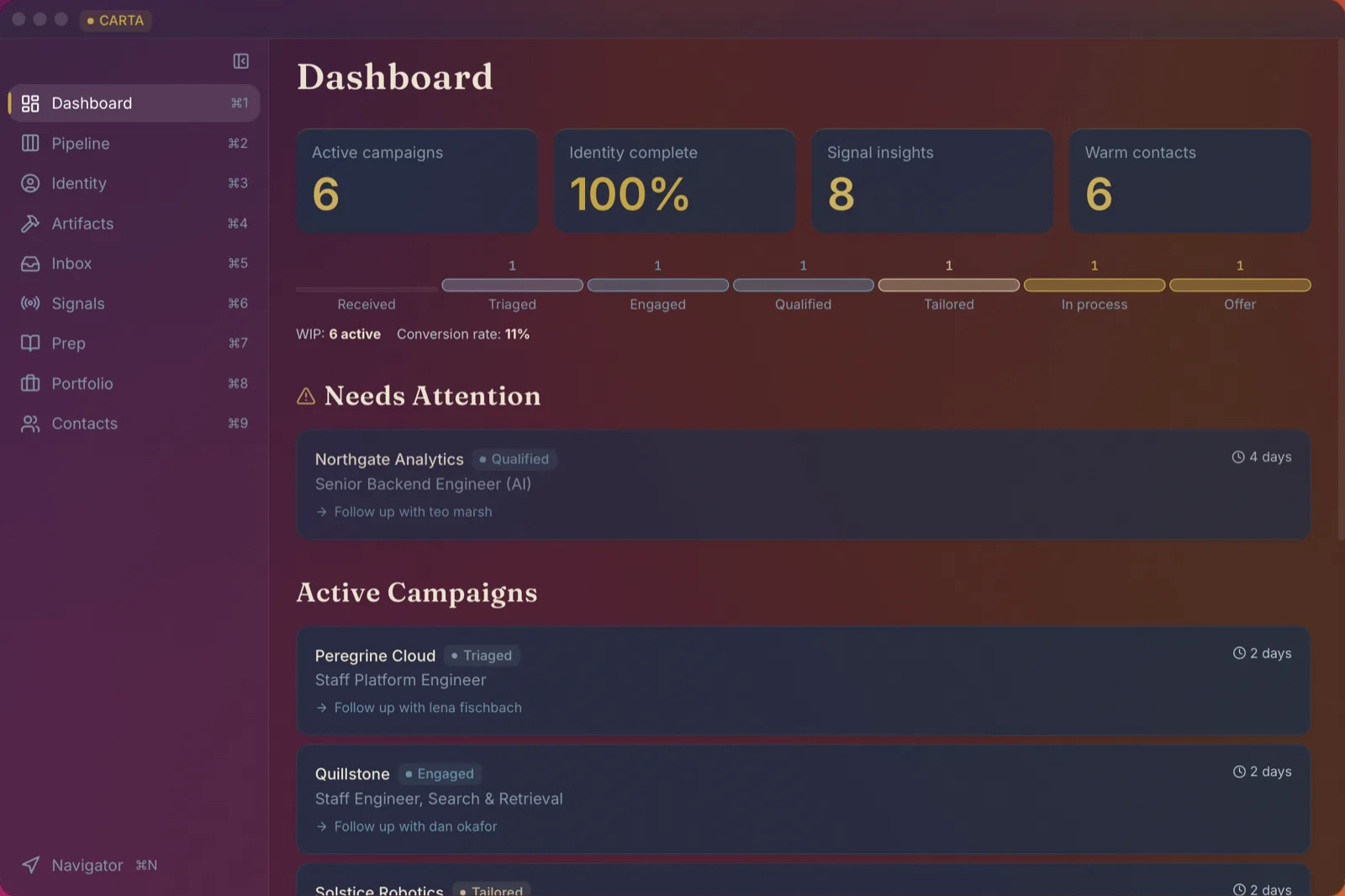
Compass
A job search is cognitive overload at scale, externalize everything except decisions and presence.
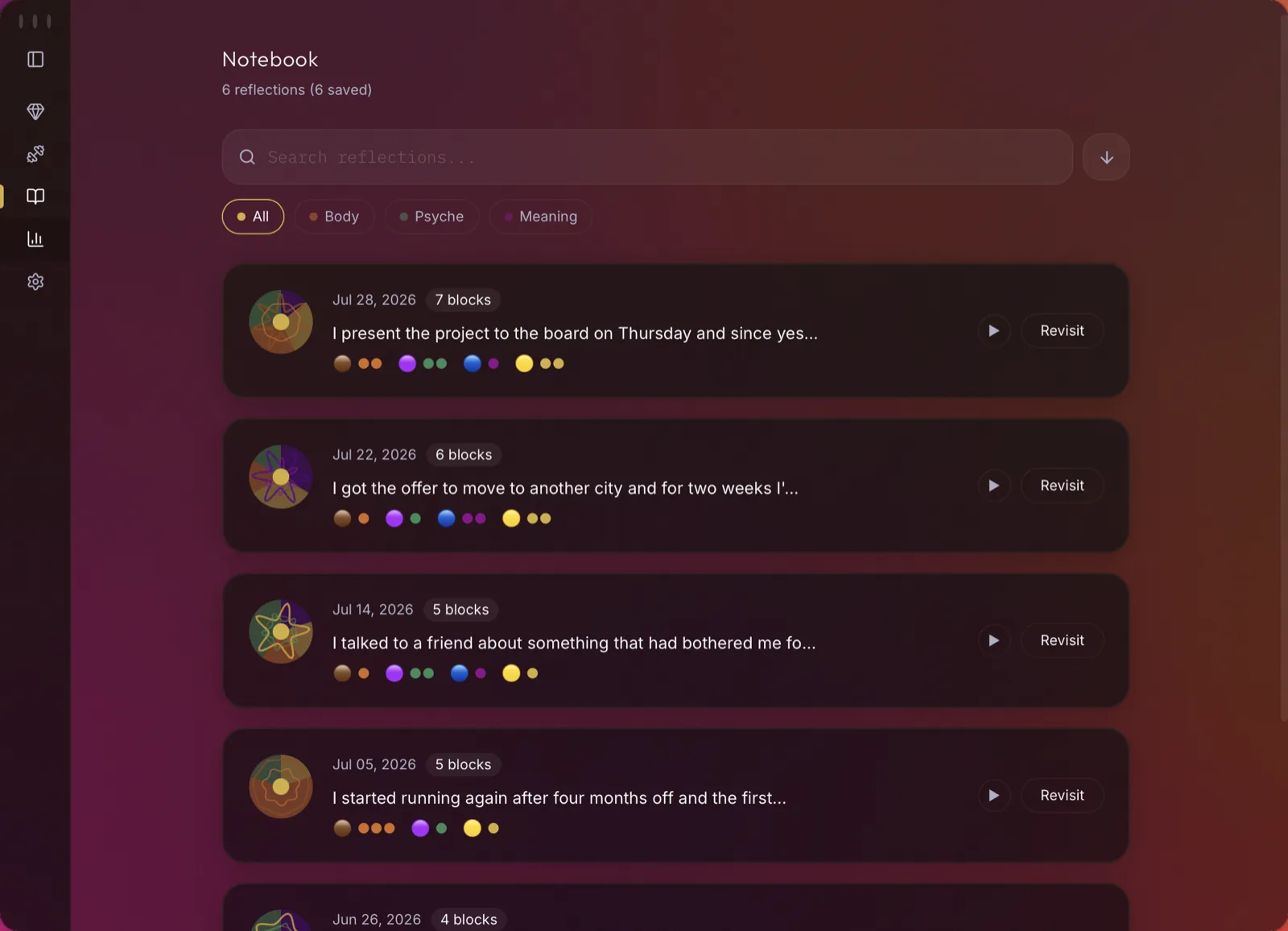
Prisma
One model is one perspective, trustworthy answers come from triangulation, not from a single confident voice.
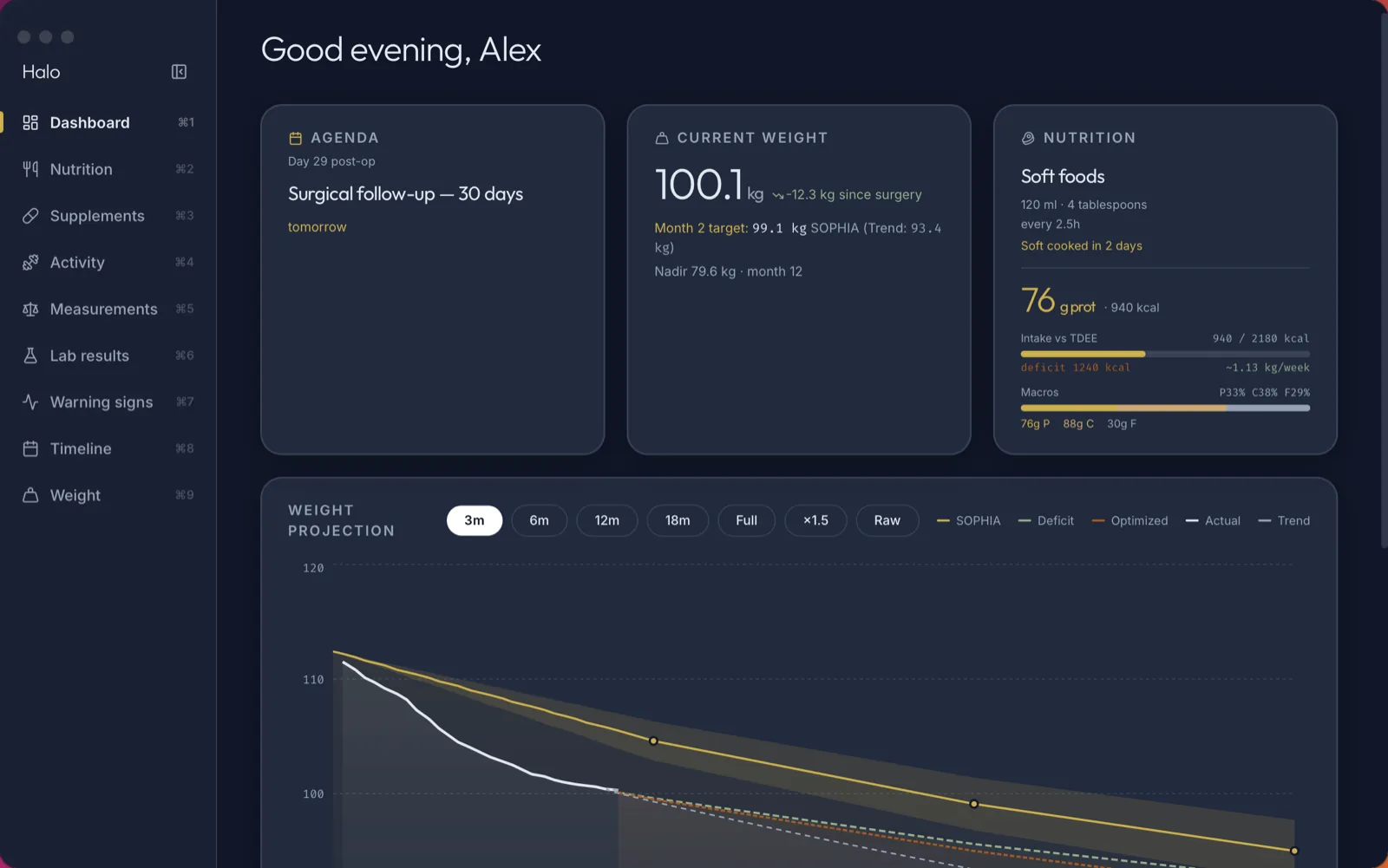
Halo
A clinical protocol is a lived experience, not a document, care improves when the protocol becomes an inhabitable space.
Underneath all of it sits a position on how interfaces must treat people: presence over noise, autonomy over manipulation, silence as affordance. Read the seven principles →